Type O Negative's sound was always built on a paradox: it’s incredibly dense and muddy, yet filled with shimmering, psychedelic layers. In standard MP3 formats, the "wall of sludge" often collapses into a fuzzy mess. , the difference is immediate: The Low End:
Anyone who owns decent headphones (Sennheiser 600-series, Beyerdynamic DT 770) or a stereo with a subwoofer. If you only listen on phone speakers or AirPods, stick to lossy streaming. type o negative discography 1991 2007 flac better
This discography collection is a must-have for fans of Type O Negative and gothic metal enthusiasts. With its exceptional audio quality and comprehensive tracklisting, it's a valuable addition to any music library. Type O Negative's sound was always built on
The darkest album. Mixed intentionally with massive dynamic contrast—whisper-quiet samples of dying hospital equipment followed by earth-shattering sludge riffs. A lossy file will trigger "dynamic range compression" during encoding, flattening the terrifying peaks and valleys. A proper FLAC rip preserves the 20dB+ swings that make this album a masterpiece of depression. If you only listen on phone speakers or
FLAC (Free Lossless Audio Codec) is essential for Type O Negative because of the band's dense production. Josh Silver’s keyboard layers and Peter Steele’s bass frequencies are often compressed in MP3s. FLAC preserves the full dynamic range, ensuring you hear the "wall of sound" exactly as it was mixed.
: A "faux-live" album that re-imagines debut tracks with a mock-hostile crowd.

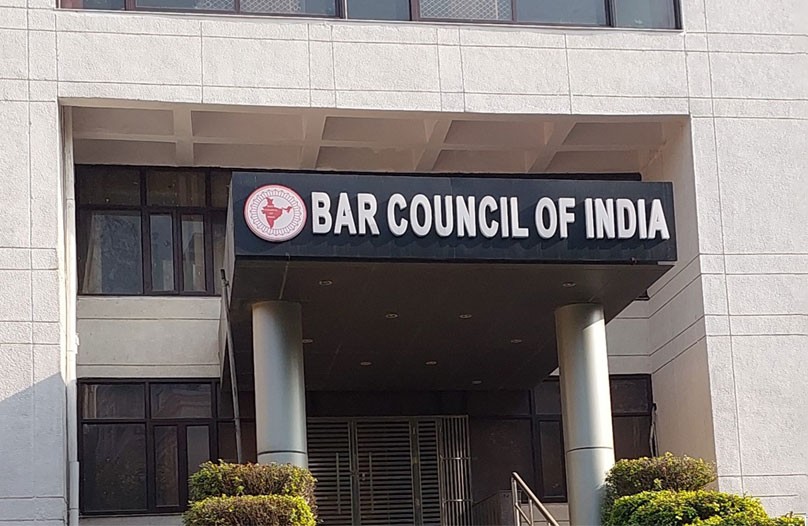
The statutory powers and functions of the BCI as conferred by means of the Advocates Act, 1961 as well as the BCI Rules are two fold;
First, to supervise the centres of legal education functioning all over the country and the students enrolled therein, inter-alia by laying down the standards of curriculum, standards of infrastructure, number and qualification of faculties, recognition of centres of legal education (Law Schools/Colleges) based upon the standards laid down by BCI and;
Secondly, to prescribe a uniform qualification for the admission of persons to be advocates and to further regulate the entry and over all conduct of Advocates in the profession by laying down standards of professional conduct and etiquettes for advocates.