In the rapidly evolving automotive industry, diagnostic tools play a crucial role in ensuring vehicle performance, efficiency, and safety. Among these tools, the Porsche Integrated Workshop Information System (PIWIS) stands out, particularly its third iteration, PIWIS 3. This advanced diagnostic system is designed to support Porsche technicians in performing comprehensive vehicle diagnostics, maintenance, and repairs. At the heart of PIWIS 3's effectiveness is its sophisticated coding capability, which allows for the precise configuration and calibration of vehicle systems. This essay explores the significance of PIWIS 3 coding in the automotive diagnostic process, its functionalities, and the benefits it offers to both technicians and vehicle owners.
Always document original values before changing them so you can revert if the car throws unexpected errors.
: Disable PASM when switching to aftermarket coilovers or air suspension to prevent dash errors.
Unlike older CAN-only systems, PIWIS 3 uses a layered approach:
: Also known as "Developer Mode." This allows for manual coding without a connection to Porsche’s central server (PPN).
: Can be coded to remember the last setting or be disabled by default. Mirror Tilt in Reverse
Click "Apply" or "Save." PIWIS 3 will ask for a "Workshop Code" and "Reason for Coding." Enter generic codes (e.g., 00000 or 12345) or actual dealer credentials. The system logs this change.
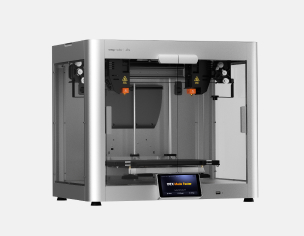
 Snapmaker U1
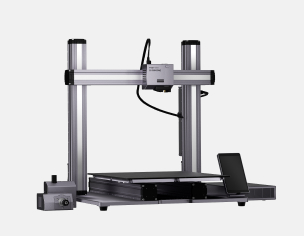
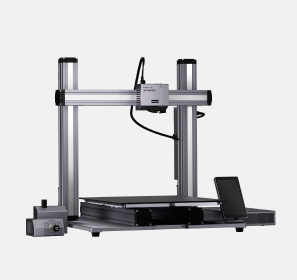
 Snapmaker 2.0
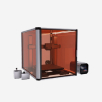 Snapmaker Artisan
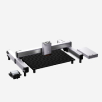 Snapmaker Ray
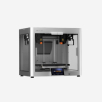 Snapmaker J1/J1s